
In a week of mutual learning, the Ethiopian Orthodox Church Development and Inter-Church Aid Commission (EOC-DICAC) and OikoDiplomatique, together with some of our faith-based partners in Kenya, built on an exchange that began in Ethiopia following OikoDiplomatique’s visit to Ethiopian Orthodox Tewahedo Church forests rooted in history, faith, and culture. These forests offer a powerful model of human–nature coexistence, combining spiritual practice with conservation.
The exchange visit, which ran from the 1st to 7th December 2025, was shaped by specific learning objectives concerning sustainable forest management and its multifaceted benefits for nature, livelihoods and the environment. The Ethiopian Orthodox Tewahedo Church is steward to thousands of church forests; faith-protected forest groves of various sizes, surrounding churches and monasteries; that have been preserved for over a thousand years. With over 35,000 church forests and 2,250 monasteries of deep ecological and spiritual value, the protection and relevance of the forests can further be enhanced by strengthening including people, institutions, and local knowledge in protecting and sustaining these landscapes, particularly as many of them are now the last remaining forest groves in heavily farmed areas.
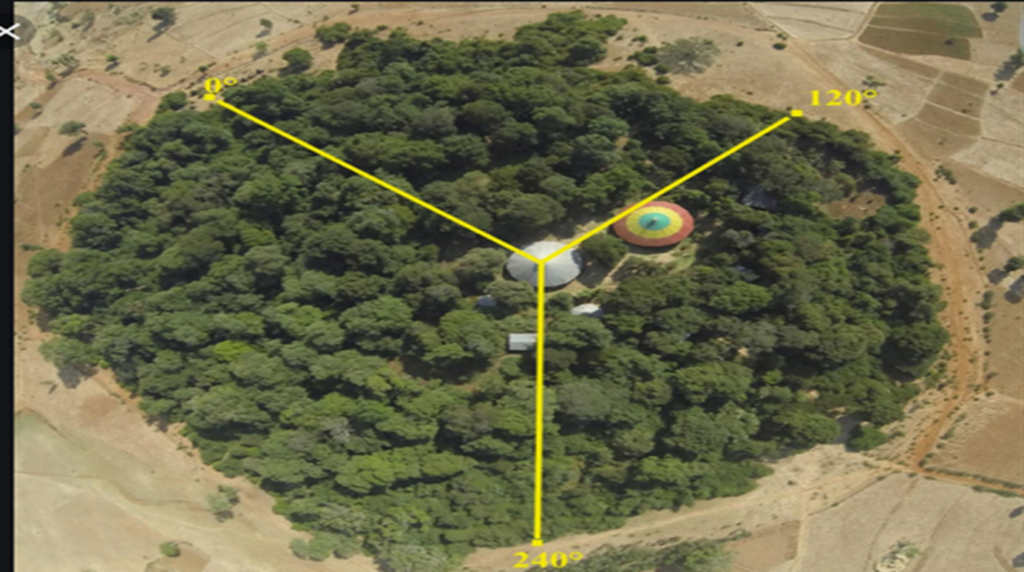
Today, these forests are under increasing pressure, from farmland expansion, free grazing, firewood and charcoal production, mining and construction activities, hunting, wildfires, and debate about forest boundaries and land ownership. In response, EOC-DICAC identified key areas to address regeneration and protection of church forests including stronger community participation, influence on forest policy, improved agroforestry knowledge, sustainable livelihood options, alternative energy, responsible forest products, forest research, and the wider role of faith institutions in peacebuilding, climate action, and psychosocial support. These priorities shaped the structure of the visit and guided each day’s engagements.
About the Opening Workshop
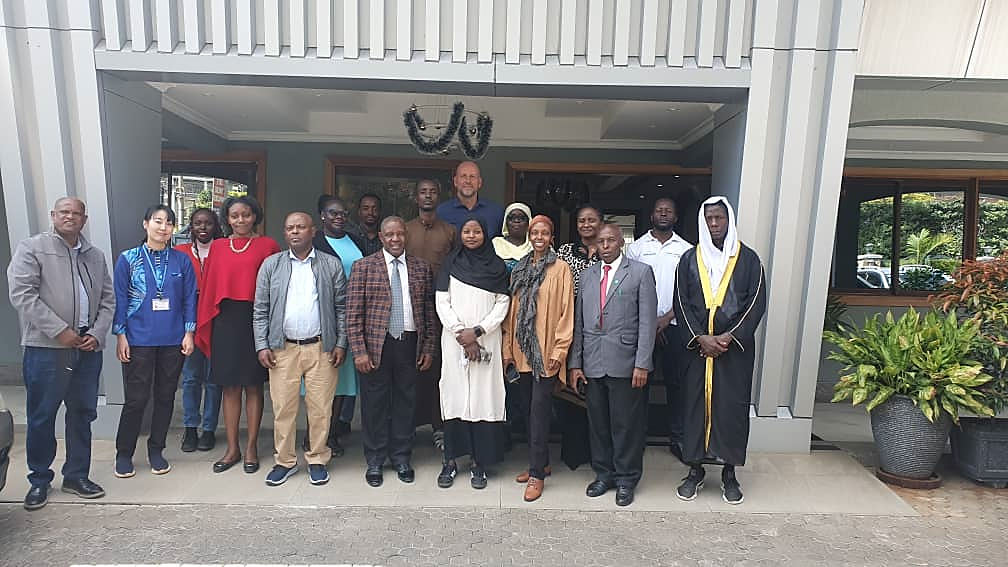
Youth, women, and men representatives from churches, mosques, environmental groups, research institutions, and organizations including Green Anglican, Mwangaza Light, GLFX, Minda Trust, Muguga Green CFA and JICA, Kisaju Mosque, Springs of Restoration, Kisaju Catholic Church, Muslim Professionals League Africa, University of Nairobi, and Laudato Si gathered at Olive Gardens in Nairobi on the morning of 2nd December 2025 to welcome the Ethiopian delegation and learn from each other.
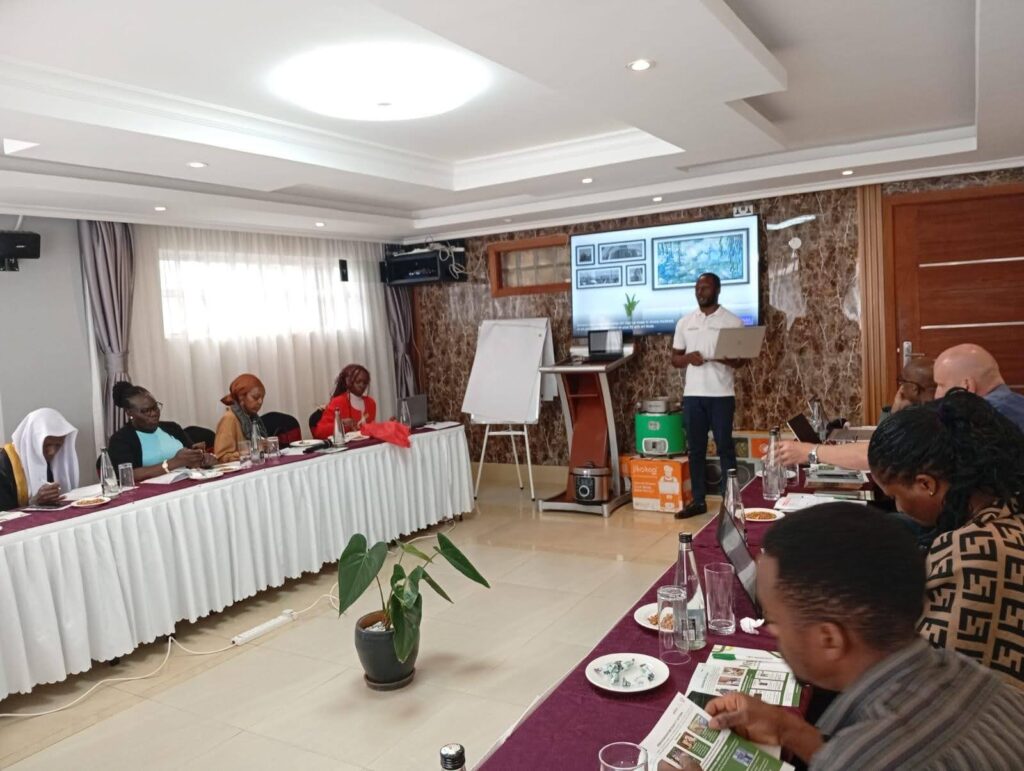
The workshop opened with prayer and introductions, followed by OikoDiplomatique sharing the history of its partnership with EOC-DICAC. Participants exchanged experiences on faith-based climate action, community renewable energy, forest stewardship, a case study of socio-cultural approaches to landscape restoration from Japan, mangrove conservation with a gender perspective, and faith-linked psychosocial support, while exploring how different faiths and communities can support forest conservation.
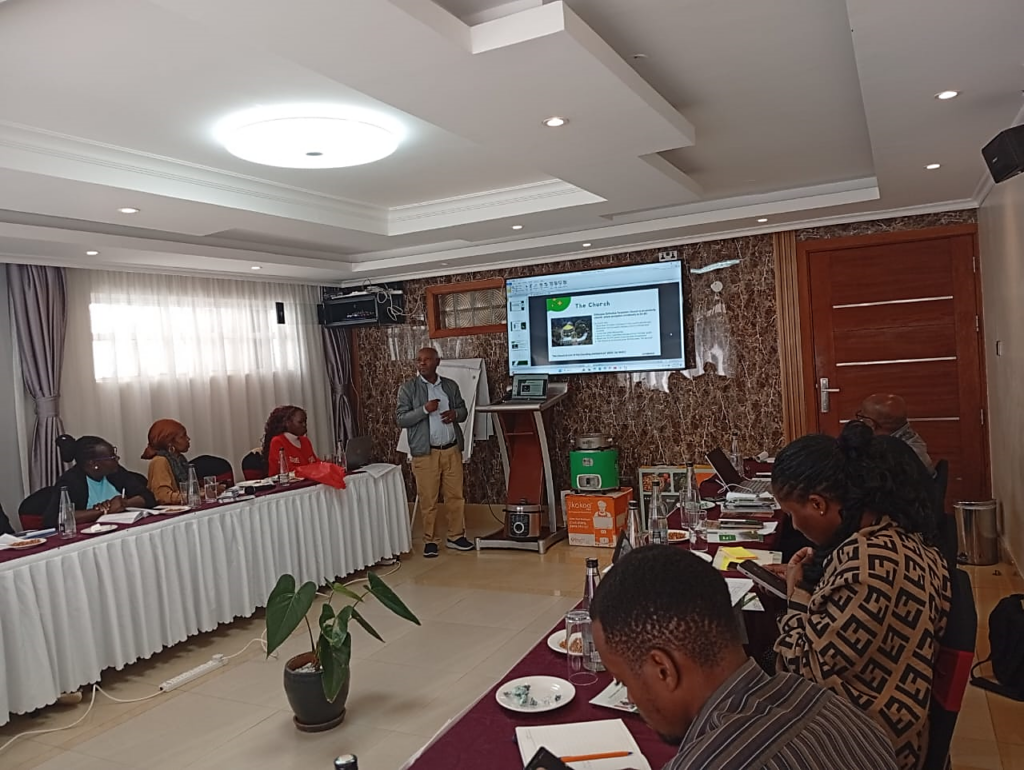
The Ethiopian delegation then shared about the Ethiopian Orthodox Tewahedo Church forests, a centuries-old practice that has protected biodiversity. Many participants expressed their interest and enthusiasm in visiting Ethiopia and see these forests firsthand. That moment set the tone for the week: this wasn’t a one-way study tour, but a real conversation across two countries, multiple
faiths, and different forest traditions, all asking the same question: How can forests survive when they are encroached upon for people’s livelihoods, land pressure is rising, and climate extremes are intensifying?
This initial conversation set the stage for that afternoon and the days that followed. After the workshop, we paid a courtesy visit to the Kenya Forest Service headquarters, where DICAC and OikoDiplomatique delegationd were introduced to Kenya’s national forest management systems, policy frameworks, and ongoing conservation priorities. From there, the program unfolded like chapters of a shared story: tracing ecotourism models in Karura forest with the Friends of Karura, exchanging case study insights with Kenya Forestry Research Institute (KEFRI) experts at Muguga, engaging with men and women of the Muguga Community Forest Association in Muguga forest, discussing agroforestry science at ICRAF, witnessing the power of multigenerational collaboration amongst the community forest association members in Ngong and Oloolua, visiting an active Plantation Establishment and Livelihood Improvement Scheme (PELIS) site in Kereita forest alongside Kijabe Environment Volunteers (KENVO), and finally standing in Mai Mahiu, a flood-affected landscape where faith, psychosocial support, resilience, adaptation and restoration are all intertwined.
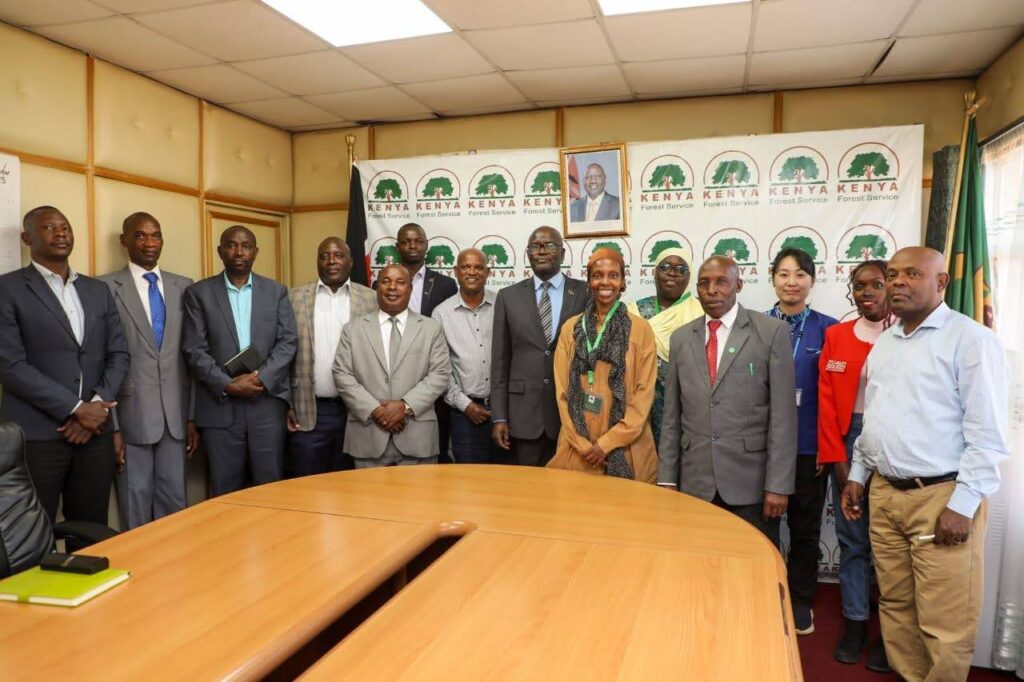
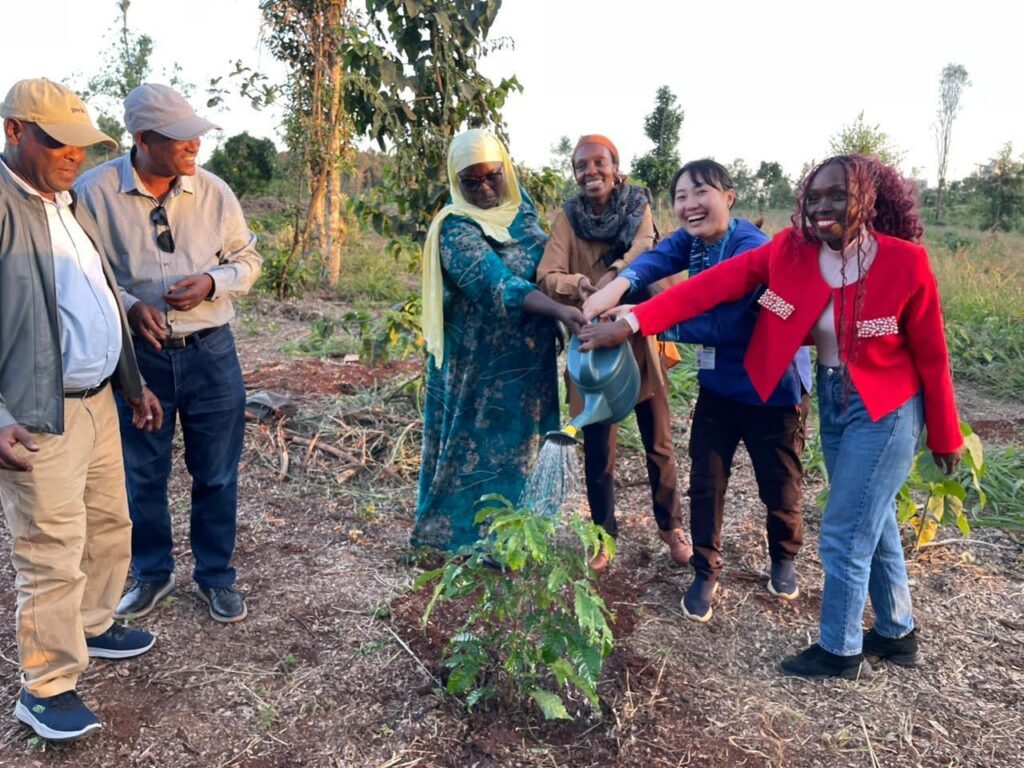
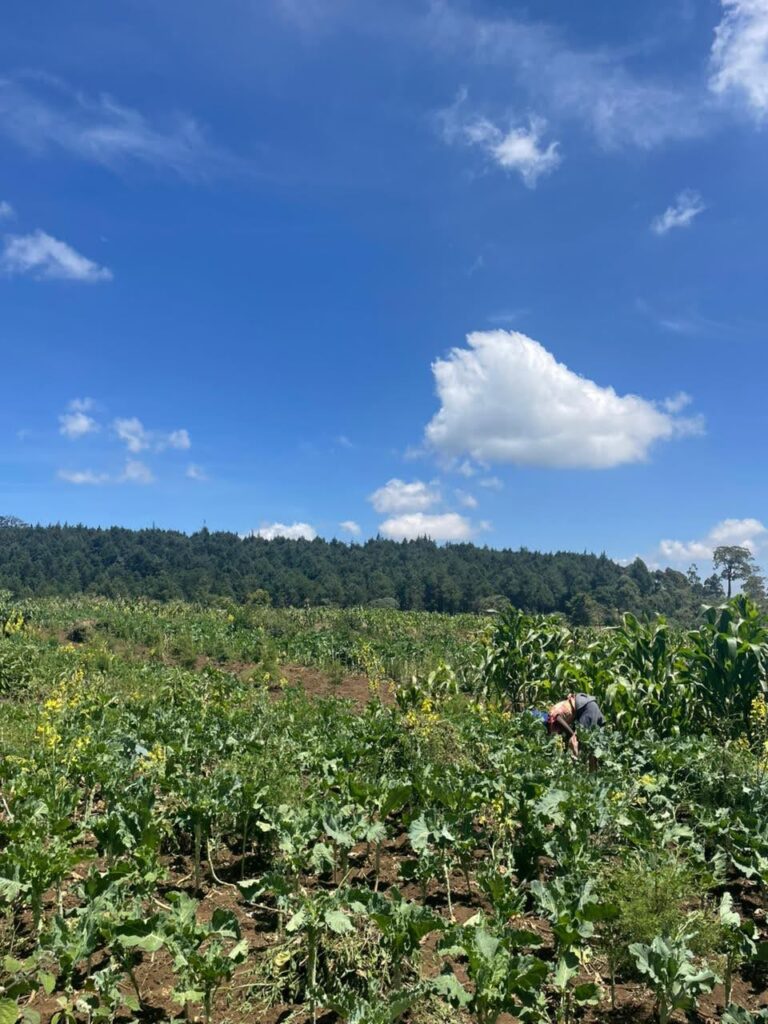
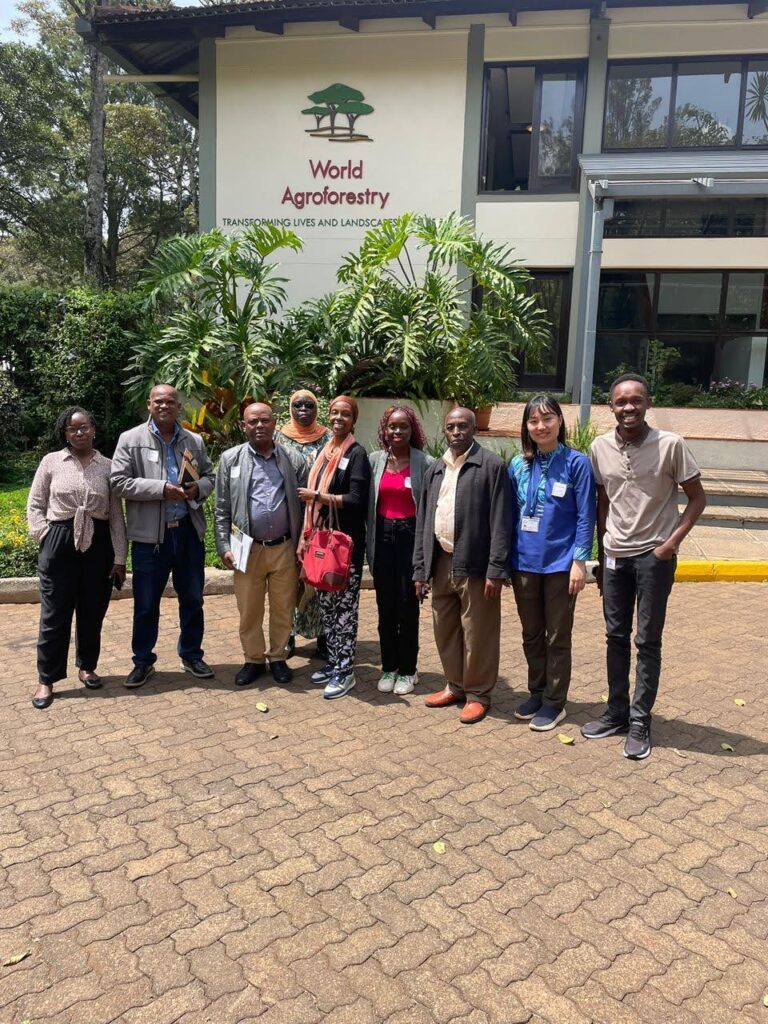
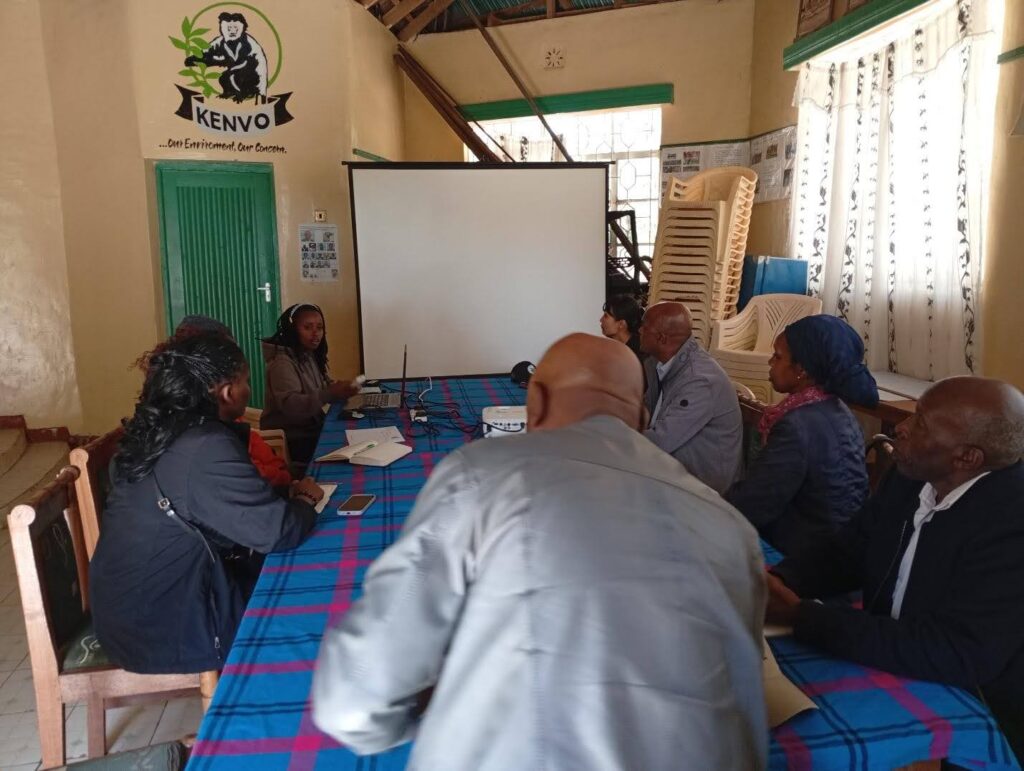
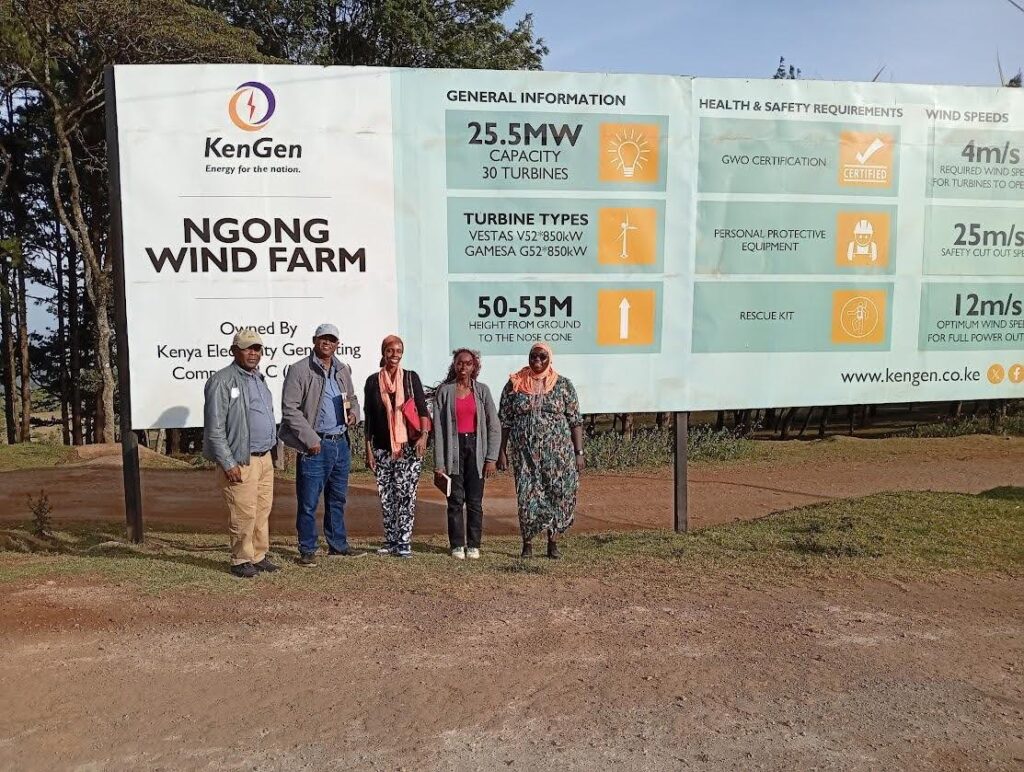
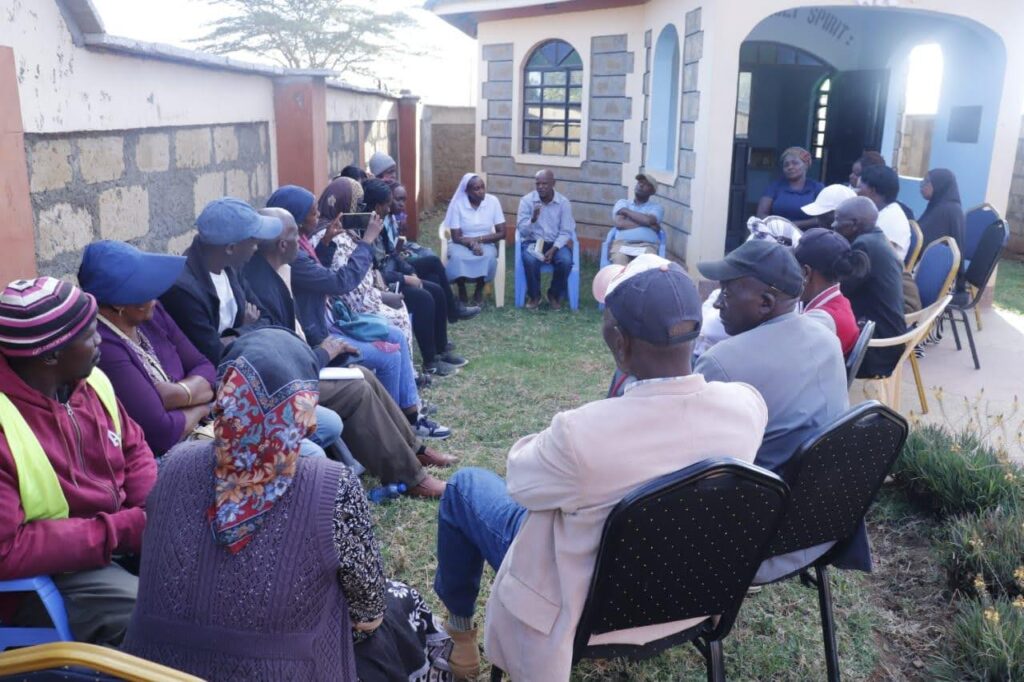
By the end of the week, the purpose of the exchange had become very clear. What started as a search for practical lessons from Kenya’s forest landscape turned into a shared journey shaped by every institution and community we met. At Kenya Forest Service headquarters, the delegation saw how national policy connects with everyday forest management. KEFRI offered a grounded look at research that guides community involvement, while ICRAF opened up conversations on agroforestry, choosing better seeds, improving soil health, and using mapping technology. Across Muguga, Ngong, Oloolua, Kereita and Karura, the Community Forest Associations (CFAs) showed what it looks like when local people lead restoration, balancing conservation with eco-tourism, income, governance, and long-term stewardship. At Mai Mahiu, faith actors and local communities showed how they are coming together after the 2024 floods, supporting each other, sharing knowledge across faiths, and embracing restoration to strengthen resilience, adaptation and community unity.
Looking back, the week was much more than a series of visits. It built a genuine bridge of collaboration between Kenya and Ethiopia, one shaped by shared questions, practical solutions, and respect for the knowledge that communities carry. The lessons gathered along the way offer a strong base for continued partnership grounded in real experience and people-centered approaches.
The visit stands as a reminder of what becomes possible when institutions, communities, and faith traditions learn from one another to restore landscapes and strengthen the people who depend on them.